
Unveiling the Amazing Health Benefits of Pigweed A Hidden
Unveiling the Amazing Health Benefits of Pigweed: A Hidden Superfood in Your Backyard
A Weed Worth Welcoming
Picture this: you’re strolling through your garden, coffee in hand, spotting those familiar green shoots pushing up between your tomatoes. Your first instinct? Yank them out. After all, they’re just weeds, right?
Hold that thought. What if I told you that those “weeds” might be one of the most nutrient-dense plants on the planet? Unveiling the amazing health benefits of pigweed starts with a simple shift in perspective—one that could transform your plate, your health, and even your grocery bill.
Pigweed, scientifically known as Amaranthus, isn’t some exotic import from a distant rainforest. It’s growing right outside your door, probably right now. And your ancestors? They knew exactly what they were doing when they put it on their plates.
What Exactly Is Pigweed?
Pigweed belongs to the amaranth family, a group of plants that have fed civilizations for thousands of years. The ancient Aztecs called it huauhtli and considered it sacred. The Incas relied on it as a staple grain. Traditional Chinese healers prescribed it for everything from fever to digestive troubles.
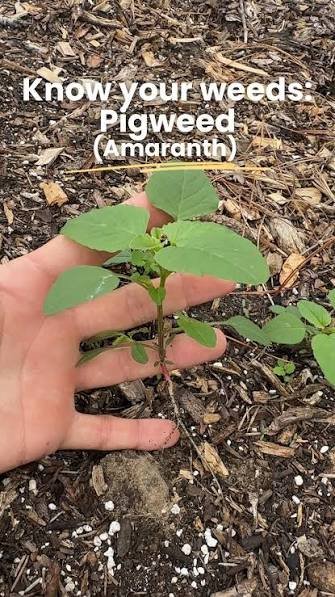
You might know it by other names—redroot pigweed, smooth pigweed, or simply amaranth greens. It typically sports oval leaves, reddish stems, and bristly flower spikes that range from green to deep purple. Left alone, it can shoot up to six feet tall, thriving in disturbed soil and sunny spots.
For centuries, farmers cursed it as a persistent invader. But here’s the irony: the same resilience that makes pigweed hard to kill also makes it incredibly nutritious. When you unveil the amazing health benefits of pigweed, you realize this plant didn’t evolve to annoy gardeners—it evolved to feed them.
The Nutritional Powerhouse Hiding in Plain Sight
Let’s cut to the chase. You’re busy. You want to know what pigweed can actually do for your body. The answer? Plenty.
A single serving of cooked pigweed leaves delivers a staggering amount of vitamin K—nearly ten times your daily requirement. Your bones will thank you for that. Your blood clotting mechanisms will function more smoothly. Your calcium will actually get where it needs to go instead of wandering aimlessly through your bloodstream.
But that’s just the beginning. Pigweed packs more vitamin C than an orange, gram for gram. Your immune system craves this stuff. Your skin needs it for collagen production. Your wounds heal faster when vitamin C is abundant in your diet.
The mineral profile reads like a multivitamin label: calcium for bone density, iron for oxygen transport, magnesium for muscle function, potassium for blood pressure regulation, manganese for enzyme activation. You could spend fifty dollars on supplements, or you could spend fifteen minutes harvesting a free dinner from your backyard.
The seeds deserve special mention. Dried pigweed seeds contain up to thirty percent protein by weight. That’s higher than wheat, rice, or corn. If you’re looking for plant-based protein sources, you’ve been walking past one of the best options every single day.
Heart Health: Your Cardiovascular System’s New Best Friend
Your heart works tirelessly, pumping blood through sixty thousand miles of vessels. It deserves some support. Pigweed delivers.
The potassium content helps regulate your blood pressure by counteracting sodium’s effects. When potassium levels drop, your blood vessels constrict and your pressure climbs. Pigweed loads you up naturally, without the processed additives found in sports drinks.
Squalene, a compound also found in shark liver oil, appears in pigweed seeds. Research suggests it helps prevent LDL cholesterol from oxidizing—that’s the process that turns harmless cholesterol into artery-clogging plaque. You get shark-level nutrition without the environmental guilt or the hefty price tag.
The fiber in pigweed binds to bile acids in your digestive tract, forcing your liver to pull cholesterol from your bloodstream to make more bile. It’s a clever, natural cholesterol-lowering mechanism that statin commercials never mention.
Blood Sugar Stability Without the Roller Coaster
If you’ve ever experienced that mid-afternoon energy crash, you know how disruptive blood sugar spikes can be. Pigweed offers a gentler alternative.
Its low glycemic index means your body processes the carbohydrates slowly. No sudden surges. No dramatic drops. Just steady, sustained energy that carries you through your afternoon meetings without reaching for another sugary snack.
The fiber content slows carbohydrate absorption even further. Your pancreas doesn’t have to pump out massive amounts of insulin to handle the load. Over time, this kind of dietary pattern may improve your insulin sensitivity—a crucial factor in preventing type 2 diabetes.
Traditional healers have long used pigweed preparations to help manage blood sugar. Modern research is catching up, investigating the specific compounds responsible for these effects. Your grandmother’s folk remedies might soon have clinical trials backing them up.
Inflammation: The Silent Killer Pigweed Helps Combat
Chronic inflammation underlies everything from arthritis to heart disease to depression. It’s your body’s alarm system stuck in the “on” position, slowly damaging tissues over years or decades.
Pigweed contains betacyanins, the same pigments that give beets their deep red color. These compounds demonstrate potent anti-inflammatory effects in laboratory studies. They dampen the inflammatory cascade at multiple points, potentially offering relief without the side effects of over-the-counter pain medications.
If you suffer from joint pain, skin conditions, or digestive inflammation, adding pigweed to your diet could provide noticeable relief. It’s not a miracle cure—nothing is—but it’s a gentle, food-based approach that supports your body’s natural healing processes rather than overriding them with synthetic chemicals.
How to Bring Pigweed Into Your Kitchen
By now, you’re probably wondering how to actually eat this stuff. Good news: it’s incredibly versatile.
Young leaves work beautifully in salads, with a mild, slightly nutty flavor that pairs well with lemon vinaigrette. As the leaves mature, they develop a more robust, earthy taste that shines when sautéed with garlic and olive oil. Think of them as spinach’s more interesting cousin.
The seeds function like a gluten-free grain. Toast them lightly to bring out their nutty aroma, then simmer in water or milk for a porridge that rivals oatmeal in comfort and surpasses it in protein content. Add honey, cinnamon, and fresh berries for a breakfast that fuels your morning without the mid-morning crash.
Here’s a simple starting point for your pigweed journey:
Table

| Ingredient | Amount | Purpose |
|---|---|---|
| Fresh young pigweed leaves | 4 cups | Main ingredient |
| Extra virgin olive oil | 2 tablespoons | Cooking fat |
| Garlic cloves, minced | 3 | Flavor base |
| Lemon juice | 1 tablespoon | Brightness |
| Sea salt | To taste | Seasoning |
| Black pepper | To taste | Seasoning |
Heat the oil, sauté the garlic until fragrant, toss in the pigweed leaves, cover for three minutes until wilted, then finish with lemon juice and seasonings. Serve alongside grilled fish or chicken for a complete, nutrient-dense meal.
Safety First: What You Need to Know Before Foraging
Before you rush outside with a basket, a word of caution. Proper identification matters. Several plants resemble pigweed, and some—like black nightshade—are genuinely toxic. If you’re not absolutely certain, consult a local foraging expert or field guide.
Harvest only from areas free of pesticides, herbicides, and vehicle exhaust. Roadside pigweed absorbs lead and other contaminants from passing traffic. Agricultural fields might be sprayed with chemicals designed specifically to kill the very plant you’re trying to eat.
Pigweed also contains oxalates, compounds that can contribute to kidney stone formation in susceptible individuals. Cooking reduces oxalate content significantly, so avoid eating large quantities raw if you have a history of stones. When in doubt, chat with your healthcare provider.
FAQ: Your Pigweed Questions Answered
Can you eat pigweed raw? Young, tender leaves work fine in salads. Mature leaves taste better cooked, and cooking reduces oxalates for easier digestion.
Does pigweed taste like spinach? Somewhat, but with a nuttier, more substantial flavor. The texture holds up better in cooking than spinach, which tends to disappear into a watery mess.
Where can you buy pigweed if foraging isn’t an option? Check Asian markets under names like “Chinese spinach” or yin choi. Some farmers’ markets carry it seasonally. Seeds are widely available online for home growing.
Is pigweed the same as the amaranth grain in health food stores? Exactly the same plant family. Store-bought amaranth typically refers to the seeds, while “pigweed” usually describes the leafy green variety.
Why is it called pigweed? Livestock—especially pigs—love eating it. Farmers historically viewed it as animal feed rather than human food. The name stuck, but the nutritional reputation is finally catching up.
The Bottom Line: Reclaiming Forgotten Nutrition
Unveiling the amazing health benefits of pigweed isn’t just about adding another vegetable to your rotation. It’s about reconnecting with a food system that existed long before supermarkets, nutrition labels, and marketing campaigns convinced you that health comes in expensive packages.
Your great-great-grandmother didn’t need a degree in nutrition to know this plant was valuable. She recognized it, harvested it, cooked it, and fed her family with it. That knowledge didn’t become obsolete—it just got buried under layers of modern convenience and industrial agriculture.
Today, you have the opportunity to reclaim that wisdom. Start small. Add a handful of leaves to your next stir-fry. Sprinkle toasted seeds over your morning yogurt. Notice how your body responds to real, unprocessed nutrition that hasn’t traveled thousands of miles or sat in cold storage for weeks.
The most powerful health interventions aren’t always the most complicated or expensive. Sometimes, they’re growing wild in the spaces we overlook, waiting for us to remember what we once knew.