
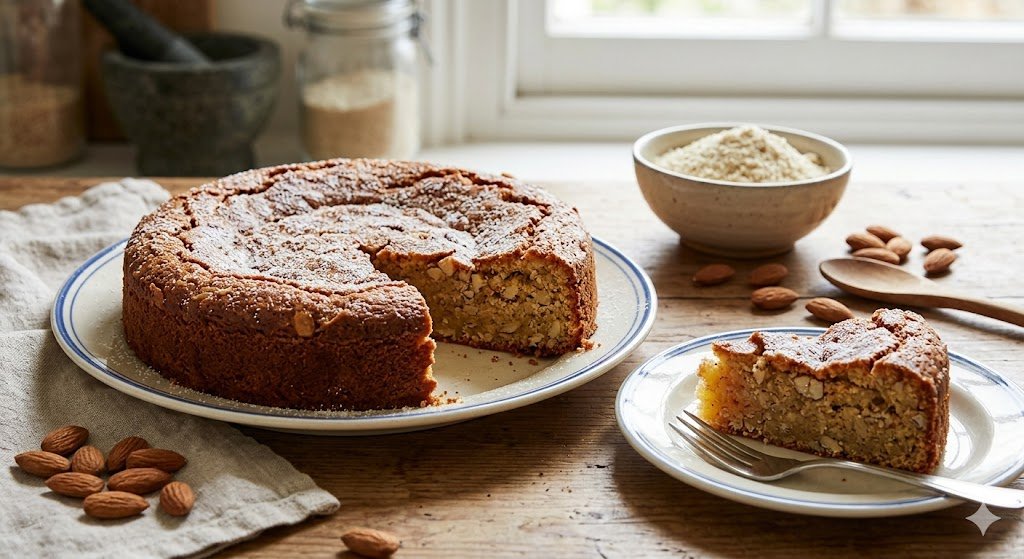
flourless almond
Flourless Almond: Your Complete Guide to Baking Without Grain
You stand in your kitchen, staring at a bag of almond flour and wondering if this pale, powdery substance can truly replace the all-purpose flour that’s been your baking companion for years. The short answer? Not only can flourless almond baking match what wheat delivers—it often surpasses it. Whether you’re navigating celiac disease, experimenting with keto, or simply chasing richer flavor, flourless almond opens a door to desserts and breads that taste indulgent while nourishing your body. This guide walks you through everything you need to know to bake confidently without a single grain in sight.
What Makes Flourless Almond Baking Different?
Traditional flour comes from wheat, a grass seed stripped of its bran and germ until little remains but starch and protein. Almond flour, by contrast, is simply blanched almonds ground into a fine powder. That difference matters in ways you might not expect.
When you bake with flourless almond, you’re working with fat, fiber, and natural oils rather than empty carbohydrates. Your batters feel heavier. They spread differently in the oven. They brown faster and retain moisture longer. Many first-time bakers panic when their flourless almond cake doesn’t rise like a sponge or when cookies flatten into lace-thin discs. These aren’t failures—they’re characteristics. Understanding them separates frustration from mastery.
The protein structure in flourless almond recipes depends almost entirely on eggs. Where gluten provides elasticity in wheat-based baking, eggs bind, leaven, and create the tender crumb you crave. This means your ingredient ratios shift. You can’t simply swap almond flour into your grandmother’s pound cake recipe and expect magic. But once you learn the rules, flourless almond rewards you with textures so rich and flavors so deep that wheat starts tasting bland by comparison.
The Nutritional Edge You Can’t Ignore
Let’s talk numbers for a moment, because they tell a compelling story. One cup of almond flour contains roughly 640 calories, 24 grams of protein, 56 grams of healthy fat, and 12 grams of fiber. Compare that to all-purpose flour: 455 calories, 13 grams of protein, 1 gram of fat, and 3 grams of fiber.
Your blood sugar responds differently too. The glycemic load of flourless almond baked goods sits dramatically lower than their wheat counterparts. For anyone managing insulin resistance, following a ketogenic approach, or simply trying to avoid the afternoon energy crash, this matters. You’re not just removing gluten; you’re replacing empty calories with sustained fuel.
Vitamin E, magnesium, manganese, and copper all show up in meaningful quantities. These aren’t fortified additions like you’d find in enriched wheat flour—they occur naturally in the almond itself. Your body recognizes and absorbs them efficiently.
Essential Flourless Almond Recipes to Master
The Foundation: Basic Flourless Almond Cake
This is where your journey begins. A proper flourless almond cake requires only a handful of ingredients but demands attention to technique.
What You’ll Need:
Table
| Ingredient | Amount | Why It Matters |
|---|---|---|
| Blanched almond flour | 2 cups (200g) | Creates the structure; fine grind prevents grittiness |
| Large eggs, room temperature | 4 whole | Provides lift, binding, and richness |
| Granulated sugar | ¾ cup (150g) | Sweetens and helps whip air into eggs |
| Unsalted butter, melted | ½ cup (115g) | Adds moisture and tender crumb |
| Pure vanilla extract | 1 teaspoon | Rounds out the flavor profile |
| Almond extract | ½ teaspoon | Amplifies the nutty depth |
| Gluten-free baking powder | 1 teaspoon | Provides gentle rise |
| Fine sea salt | ¼ teaspoon | Balances sweetness |
Start by whipping your eggs and sugar until the mixture turns pale, thick, and nearly tripled in volume. This step is non-negotiable. The air you incorporate here is the only leavening your cake will get. Fold in your dry ingredients gently—overmixing deflates the structure you’ve built. Bake at 350°F (175°C) for 30 to 35 minutes, but start checking at 25. Flourless almond browns quickly around the edges while the center finishes.
Flourless Almond Cookies: Simplicity Perfected
When you want something faster, flourless almond cookies deliver. Combine two cups of almond flour with a quarter cup of maple syrup or honey and one beaten egg. Roll into balls, press slightly flat, and bake for ten to twelve minutes. The edges crisp while the centers stay chewy. Add dark chocolate chunks, orange zest, or a pinch of cardamom to make them your own.
Savory Flourless Almond Bread
Not everything needs sugar. A savory flourless almond loaf works beautifully alongside soups or as sandwich bread. The trick here is adding psyllium husk powder—about two tablespoons per cup of almond flour—to create a more bread-like texture. Extra eggs, sometimes six or more per loaf, provide the structure that gluten normally would. Expect a denser crumb than wheat bread, but one that toasts beautifully and carries butter like a dream.
Pro Techniques That Transform Your Results
Measure by weight, not volume. Almond flour compresses easily. One cup can weigh anywhere from 90 to 120 grams depending on how you scoop. A kitchen scale eliminates this variable entirely.
Let your batter rest. After mixing, allow ten to fifteen minutes before baking. Almond flour absorbs moisture slowly. That rest period prevents dry edges and a soggy center.
Watch your oven like a hawk. The natural oils in almond flour mean faster browning. If your recipe calls for 35 minutes, check at 25. A toothpick should emerge with a few moist crumbs clinging to it—clean means overbaked.
Embrace the freeze. Almond flour stores beautifully in the freezer for up to a year. The high fat content means it can turn rancid at room temperature after a few months. Buy in bulk, portion into airtight bags, and thaw what you need.
Troubleshooting Your Flourless Almond Disasters
Your cake sank in the middle? You likely opened the oven door too early or underbeat your eggs. The structure in flourless almond baking is fragile until fully set.
Cookies spread into puddles? Your butter was too warm, or you skipped the chilling step. Twenty minutes in the refrigerator firms the fat and slows spreading.
Bread turned out gummy? Insufficient baking time or too much liquid. Almond flour retains moisture aggressively. When in doubt, bake longer at a slightly lower temperature.
Choosing Your Flourless Almond Products
Walk down any baking aisle and you’ll face a wall of options. Here’s how to navigate them:
-
Blanched almond flour: Almonds with skins removed, ground fine. Best for cakes, macarons, and delicate pastries.
-
Almond meal: Ground with skins intact, coarser texture. Ideal for rustic cookies, crumb toppings, and breading.
-
Super-fine almond flour: Blanched almonds ground to an almost powdery consistency. Essential for French macarons and sponge cakes.
-
Organic: Certified pesticide-free. Worth the premium if you bake frequently.
-
Defatted: Rare but available. Lower calorie, higher protein, but produces drier results.
Avoid anything labeled “almond flour blend” containing rice flour or starches unless you specifically need those additions. Pure flourless almond products give you complete control.
Frequently Asked Questions
Can I substitute flourless almond flour one-for-one in regular recipes?
Not directly. Almond flour is heavier and oilier than wheat flour. Use roughly 25 percent less almond flour by volume, and increase your binding agents—usually eggs. Expect different textures; embrace them rather than fighting them.
Why does my flourless almond baking taste eggy?
Too many eggs or insufficient flavoring. Vanilla, almond extract, citrus zest, and spices all mask egginess. Also ensure you’re not using extra-large eggs when the recipe calls for large.
Is homemade almond flour worth the effort?
If you own a high-powered food processor, yes. Blend blanched almonds in short pulses, stopping before you hit almond butter territory. Sift for fineness. You’ll save money and control freshness, though store-bought consistency is hard to match without commercial equipment.
How do I make flourless almond desserts less dense?
Whip your eggs longer, fold more gently, and don’t skip the baking powder. Some bakers add a tablespoon of arrowroot starch or tapioca flour per cup of almond flour to lighten the crumb without returning to grain.
Your Next Step Starts Now
You’ve got the knowledge. You’ve seen the recipes. You’ve learned the pitfalls to avoid. Now comes the part where you actually do it.
This weekend, pick one recipe from this guide—the basic cake if you want impressive, the cookies if you want easy—and commit to making it. Source quality blanched almond flour, set out your eggs early so they reach room temperature, and follow the steps without rushing. When you pull that golden, fragrant creation from your oven, you’ll understand why flourless almond baking has converted so many home cooks.
Share your results. Did your cake rise tall? Did you discover a flavor combination that blew your mind? Drop a comment below with your experience, your questions, or your favorite flourless almond variation. And if this guide helped you bake with confidence, bookmark it for your next grain-free adventure. Your kitchen just gained a whole new dimension.